
Edible Gardens in London: Foodscaping & Grazing Garden Design for Modern Urban Living
Populated areas like Poplar and across East London, gardens are evolving beyond purely decorative landscapes. A growing trend in modern outdoor living is the rise of edible gardens, where food production is seamlessly integrated into stylish garden design.
This approach, often referred to as foodscaping or grazing gardens, blends herbs, fruits, and vegetables with ornamental planting to create outdoor spaces that are both beautiful and functional. Instead of separating aesthetics from practicality, edible gardens combine both into a single cohesive design.
For small urban spaces, this transformation is particularly powerful. Even a compact courtyard or narrow patio can become a productive, visually appealing edible landscape.
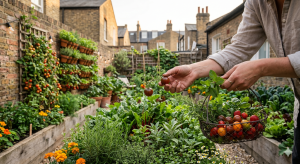
What Are Edible Gardens, Foodscaping, and Grazing Gardens?
Edible garden design focuses on growing food within ornamental or structured landscaping. Rather than traditional allotment-style plots, edible plants are integrated directly into everyday garden spaces.
Key concepts:
- Foodscaping: Mixing edible plants with decorative landscaping
- Grazing gardens: Informal planting designed for frequent harvesting and snacking
- Kitchen gardens: Functional growing spaces close to the home for daily use
These approaches are especially effective in urban environments where space is limited but outdoor living is highly valued.
Why Edible Gardens Are Growing in Popularity in London
In areas like Poplar, Bow, and Stratford, outdoor space is often small but highly valuable. Edible gardens offer a practical way to maximise that space.
Key benefits of edible garden design:
- Combines food production with stylish outdoor living design
- Maximises productivity in small urban gardens and patios
- Reduces reliance on shop-bought herbs and vegetables
- Encourages healthier, more sustainable living habits
- Enhances biodiversity in dense urban environments
- Creates interactive, engaging garden spaces for families
Core Principles of Foodscaping in Small Urban Gardens
Successful edible garden design in dense areas like East London requires a structured approach.
1. Integration Over Separation
Edible plants are not isolated in vegetable beds—they are woven into flower borders, containers, and vertical structures.
2. High-Density Planting
Small spaces benefit from layered planting techniques to maximise yield per square metre.
3. Continuous Harvest Design
Grazing gardens are designed for ongoing use rather than seasonal bulk harvesting.
4. Accessibility and Convenience
Plants are positioned close to kitchens, seating areas, or pathways for easy picking.
What to Grow in an Urban Edible Garden
In compact London gardens, plant selection is essential for success.
Herbs (highly suited to small spaces)
- Basil
- Mint
- Rosemary
- Thyme
- Chives
Compact vegetables
- Cherry tomatoes
- Salad leaves
- Radishes
- Courgettes (dwarf varieties)
- Spinach
Fruits for small gardens
- Strawberries
- Blueberries (container-grown)
- Gooseberries
- Dwarf apple trees (espaliered)
These plants are ideal for small edible gardens in London terraces due to their compact growth habits.
Foodscaping Design Ideas for Urban Outdoor Living
Edible gardens are not just productive—they are also highly aesthetic when designed properly.
1. Mixed Border Planting
Herbs and vegetables are interwoven with flowers such as lavender, marigolds, and nasturtiums for both beauty and function.
2. Container-Based Grazing Gardens
Perfect for patios and balconies, using pots and raised containers to create flexible edible zones.
3. Vertical Edible Walls
Walls and fences are used to grow climbing crops such as beans, peas, and strawberries.
4. Kitchen-Access Garden Design
Edible plants are placed closest to the kitchen door for daily harvesting convenience.
Small Space Edible Gardening in Dense Areas Like Poplar
In high-density neighbourhoods, gardens are often compact courtyards or enclosed patios. This makes space efficiency essential.
Key strategies for small urban edible gardens:
- Use vertical planting systems to maximise growing area
- Choose dwarf and compact plant varieties
- Combine edible and ornamental planting in shared beds
- Use raised beds for soil control and accessibility
- Prioritise high-yield crops over space-heavy plants
Even a few square metres can become a productive urban foodscaping garden in London.
Grazing Gardens: A New Way to Experience Outdoor Space
Grazing gardens are designed for informal, everyday use. Instead of harvesting large quantities at once, users pick small amounts regularly.
Characteristics of grazing gardens:
- Continuous harvesting model
- Informal planting layout
- Edible plants integrated into seating and social areas
- Designed for interaction and daily use
This style is particularly suited to modern outdoor living where gardens function as extensions of the home.
Sustainability Benefits of Edible Gardens
Foodscaping supports environmentally conscious living in urban environments.
Environmental advantages:
- Reduces food miles by growing produce at home
- Encourages pollinator-friendly planting
- Improves soil health through organic planting methods
- Reduces packaging waste from store-bought produce
In densely populated areas like East London, even small edible gardens contribute positively to local biodiversity.
Designing an Edible Garden Layout
A well-planned layout ensures functionality and aesthetics are balanced.
Typical layout structure:
- Kitchen access zone: herbs and daily-use plants
- Central grazing area: mixed edible and ornamental planting
- Vertical zones: climbing vegetables and fruit
- Container zones: flexible seasonal planting
Common Mistakes in Edible Garden Design
While edible gardens are highly rewarding, poor planning can limit their success.
- Overcrowding plants without considering growth space
- Choosing crops unsuitable for shaded urban gardens
- Separating edible plants from ornamental design
- Neglecting irrigation planning
- Ignoring seasonal planting cycles
A balanced approach ensures both productivity and visual appeal.
Edible Gardens and Modern Urban Lifestyles
In areas like Poplar, where space is limited but lifestyle expectations are high, edible gardens align perfectly with modern living trends. They support:
- Healthier eating habits
- Outdoor relaxation and wellbeing
- Sustainable urban living
- Multi-use garden design (relaxation + production)
This makes them ideal for homeowners, renters, and landlords looking to enhance property value and usability.
Final Thoughts
Edible gardens, foodscaping, and grazing garden design represent a major shift in how outdoor spaces are used in dense urban areas like London. Rather than separating function from aesthetics, these gardens combine both into one integrated system.
Even the smallest courtyard or patio can become a productive, visually rich outdoor environment filled with herbs, vegetables, and fruit. With thoughtful planning, edible gardens transform everyday outdoor spaces into functional extensions of the home.
Professional Gardening Tips, Tricks, and Maintenance Insights for Poplar Gardens
- Garden Maintenance Packages in Poplar, London: Weekly & Monthly Garden Care
- Low-Maintenance Hedge Trimming & Bush Shaping – Garden Care Guide 2026
- Edible Gardens in London: Foodscaping & Grazing Garden Design for Modern Urban Living
- Garden Clearance & Restoration in Poplar, London: Transforming Overgrown Urban Gardens into Usable Outdoor Spaces
- Small Patio Transformation in Dense Urban Areas Like Poplar
- Small-Space & Urban Gardening: Maximising Every Inch in Modern London Homes
- Sustainable & Climate-Resilient Gardening: Future-Proof Your Garden for 2026 and Beyond
- Spring Garden Maintenance: What You Should Be Doing Right Now