
Small Patio Transformation in Dense Urban Areas Like Poplar
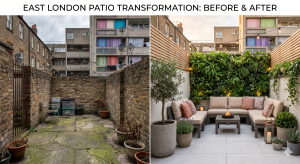
In busy residential areas like Poplar, outdoor space is often limited to compact patios, narrow courtyards, or enclosed garden yards. While space may be restricted, the potential for transformation is significant. With thoughtful design, even the smallest patio can become a functional and attractive outdoor living area.
A small patio does not need to feel cramped or compromised. Instead, it can be reimagined as a private retreat, a social space, or a flexible extension of the home. The key lies in intelligent planning, efficient use of space, and creative design choices tailored specifically for urban living.
Why Small Urban Patios Deserve Thoughtful Design
In high-density areas, outdoor spaces often serve multiple purposes. They may function as a dining area, relaxation zone, storage solution, and even a green escape from surrounding built environments.
Well-designed small patios provide meaningful lifestyle improvements, even when square footage is limited.
Key benefits of transforming compact urban patios
- Creates usable outdoor living space in dense residential settings
- Improves mental wellbeing through access to greenery and fresh air
- Adds practical value to homes in competitive property markets
- Maximises functionality in limited square footage
- Enhances privacy in overlooked urban environments
- Provides a flexible space for dining, relaxation, and socialising
Challenges of Small Patios in Areas Like Poplar
Urban patios present unique constraints that must be addressed during design.
Common challenges include:
- Extremely limited floor space
- Overlooking from neighbouring buildings
- Lack of natural light due to surrounding structures
- Irregular or awkward layouts
- Limited storage options
- Noise and visual distractions from urban surroundings
These challenges require solutions that prioritise efficiency, vertical design, and multifunctionality.
Core Design Principles for Small Urban Outdoor Living Spaces
Successful small patio transformation relies on a set of guiding principles tailored to compact environments.
1. Vertical Thinking
When ground space is limited, vertical space becomes essential. Walls, fences, and even ceilings (in covered patios) can be used creatively.
2. Multi-Functional Design
Every element should serve more than one purpose where possible, such as seating with storage or foldable furniture.
3. Visual Expansion
Light colours, reflective surfaces, and minimal clutter help make small spaces feel larger.
4. Zoning Without Crowding
Even small patios benefit from subtle zones, such as a seating corner or planting area, without physically dividing the space.
Layout Ideas for Compact Patios
Designing a layout for a small urban patio requires precision and restraint.
Linear Layouts
Ideal for narrow courtyards, where furniture is arranged along walls to keep the central space open.
Corner-Focused Layouts
Concentrating seating in one corner creates an intimate lounge area while freeing up the rest of the patio.
Foldable and Flexible Layouts
Using collapsible furniture allows the space to change function depending on need—dining one moment, open space the next.
Space-Saving Furniture for Urban Outdoor Living
Furniture selection is one of the most important aspects of small patio transformation.
Recommended solutions:
- Foldable dining tables and chairs
- Built-in bench seating along walls
- Stackable lightweight chairs
- Modular seating systems
- Narrow bistro sets for compact dining
Furniture should be proportionate to the space to avoid visual overcrowding.
Materials That Work Best in Small Urban Patios
Material choice has a significant impact on both appearance and functionality.
Light-coloured paving
Helps reflect natural light and visually expand the space.
Porcelain tiles
Durable, low maintenance, and available in modern finishes suitable for urban settings.
Timber accents
Adds warmth and contrast without overwhelming compact layouts.
Gravel or resin zones
Useful for defining areas without heavy visual structure.
Vertical Gardening for Dense Urban Spaces
Greenery is essential in urban patios, especially in areas like Poplar where natural landscapes may feel distant. Vertical gardening is one of the most effective strategies.
- Wall-mounted planters
- Trellis systems for climbing plants
- Green wall panels
- Hanging pots and rail planters
Vertical planting introduces life without sacrificing floor space.
Privacy Solutions for Overlooked Patios
Privacy is often a major concern in dense residential areas. Fortunately, there are multiple design solutions that do not require permanent structural changes.
Effective privacy strategies:
- Tall planters with dense foliage
- Bamboo screening panels
- Lattice fencing with climbing plants
- Outdoor curtains for covered patios
- Frosted or patterned glass screens
These solutions maintain openness while reducing visibility from neighbouring properties.
Lighting Design for Small Outdoor Spaces
Lighting plays a critical role in small patio transformation, especially where natural light is limited.
Best lighting approaches:
- Warm white string lights for ambience
- Wall-mounted uplighters to create depth
- Step or ground lighting for safety
- LED strip lighting under seating or planters
Layered lighting helps create the illusion of a larger, more inviting space.
Smart Storage Solutions
Storage is often overlooked but essential in small urban patios.
Space-efficient options:
- Bench seating with hidden storage compartments
- Wall-mounted shelving
- Slimline storage boxes
- Hanging organisers for tools or accessories
Good storage reduces clutter and maintains a clean, open feel.
Making Small Patios Feel Larger
Visual perception is just as important as physical space in urban outdoor design. Techniques include:
- Using mirrors on boundary walls to reflect light
- Keeping flooring continuous without breaks
- Limiting colour palettes to neutral tones
- Avoiding oversized furniture
- Maximising open floor visibility
These methods help create a sense of openness even in restricted areas.
Common Mistakes in Small Urban Patio Design
Avoiding poor design decisions is essential when working with limited space.
Frequent mistakes include:
- Overfilling the patio with furniture
- Ignoring vertical space potential
- Using dark colours that reduce perceived size
- Poor lighting planning
- Lack of defined purpose for the space
- Neglecting storage solutions
A minimalist and intentional approach always delivers better results in compact environments.
Styling Ideas for Urban Outdoor Living Spaces
Styling brings personality to small patios without overwhelming them.
Consider:
- Neutral-toned cushions with textured fabrics
- Compact outdoor rugs to define zones
- Simple ceramic or stone decorative elements
- Potted herbs for both aesthetics and function
- Subtle colour accents rather than bold patterns
Less is more in compact urban environments.
Transforming Small Patios in Poplar and Similar Areas
In areas like Poplar, where housing density is high and outdoor space is limited, small patios can become highly valuable extensions of the home. With the right approach, even the most modest courtyard can be transformed into a functional and attractive outdoor living area.
The key is not size, but design intelligence. By combining vertical gardening, space-saving furniture, layered lighting, and thoughtful layouts, small urban patios can deliver exceptional usability and comfort.
Final Thoughts
Small patio transformation in dense urban areas is about maximising potential rather than space. In places like Poplar, where outdoor areas are often compact and enclosed, smart design turns limitations into opportunities.
A well-planned small patio can function as a private retreat, an entertaining space, or a green escape within the city. Through careful selection of materials, furniture, lighting, and greenery, even the smallest outdoor area can become a highly functional and visually appealing extension of the home.
Professional Gardening Tips, Tricks, and Maintenance Insights for Poplar Gardens
- Garden Maintenance Packages in Poplar, London: Weekly & Monthly Garden Care
- Low-Maintenance Hedge Trimming & Bush Shaping – Garden Care Guide 2026
- Edible Gardens in London: Foodscaping & Grazing Garden Design for Modern Urban Living
- Garden Clearance & Restoration in Poplar, London: Transforming Overgrown Urban Gardens into Usable Outdoor Spaces
- Small Patio Transformation in Dense Urban Areas Like Poplar
- Small-Space & Urban Gardening: Maximising Every Inch in Modern London Homes
- Sustainable & Climate-Resilient Gardening: Future-Proof Your Garden for 2026 and Beyond
- Spring Garden Maintenance: What You Should Be Doing Right Now